Digital Nomad Phuket: Best Areas to Stay, Work and Live Well

How to Choose the Best Place for You
Phuket keeps coming up in remote work conversations, and for good reason. The island offers a lifestyle combination that few destinations match: reliable infrastructure, world-class beaches, and enough residential depth to actually live here rather than just pass through.
Where you stay determines everything. Bang Tao is the area most remote workers end up choosing — a Bang Tao beach hotel puts you close to cafés, fitness studios, and the sea without the tourist chaos. Rawai suits those who prefer a quieter, more local pace. Phuket Old Town is best saved for a day trip, not a work base.
As a whole, Phuket is less about finding the cheapest setup possible and more about creating a version of remote work you can realistically enjoy long term. Explore the prospect of becoming a digital nomad in Phuket in this comprehensive guide.
Is Phuket Actually Good for Digital Nomads?
Most mixed reviews come from people who chose the wrong area for how they actually work and live.
The biggest mistake remote workers make is picking somewhere based only on affordability or nightlife without considering other factors. Over time, the lifestyle loses its shine, replaced by traffic-heavy days and makeshift work setups in overcrowded cafés.
Phuket delivers well when your accommodation, workspace, and daily routine all fit together naturally. For remote workers who value beach access, wellness spaces, diverse restaurants and cafés, the island ticks all the boxes. In the long run, the wide array of comfortable accommodations and proximity to the airport grant Phuket its title as a worthy base for the remote workers who prioritise comfort over budget hacking
Areas like Bang Tao make it easier to settle into a balanced routine, but for ultra-budget nomads expecting Chiang Mai-level prices, the island may feel expensive. In many ways, Phuket is less about hacking the cheapest month possible and more about building a workday you actually want to repeat.
Thailand’s Digital Nomad Visa Situation
If Thailand is your desired destination for remote working, it is time to make yourself familiar with the Destination Thailand Visa (DTV). This visa is designed for eligible freelancers, remote workers, digital nomads, and travellers planning a longer Phuket workation who wish to get their job done amidst the charm of the tropics. Here is some helpful information regarding the current Thai consular guidance:
- Up to 180 days per stay
- A possible 180-day extension
- Visa validity of up to five years
- Financial evidence requirements of at least 500,000 THB
For those intending to stay beyond a quick workation escape, it is worth organising the right visa upfront rather than relying on repeated visa-exempt entries. Be mindful of the rules and enforcement for a frictionless stay.
Where to Stay in Phuket for Digital Nomads
One of the biggest questions remote workers ask is where to stay in Phuket as a digital nomad, since the island’s atmosphere changes dramatically from one neighbourhood to another.
Bang Tao & Cherng Talay — Best for Lifestyle-Focused Nomads
Bang Tao and Cherng Talay are often the easiest fit for remote workers who want a smoother everyday rhythm. Sitting at the centre of the island on largely flat terrain, the area is straightforward to navigate — commuting to nearby beaches, cafés, or daily essentials rarely feels like a detour.
Unlike busier tourist zones, Bang Tao merges the atmosphere of a beachfront hotel in Phuket with a more sustainable long-term rhythm. The area offers practical comforts, including laptop-friendly cafés, fitness studios, supermarkets, and dynamic restaurants serving global flavours - from casual bistros to upscale Phuket restaurants near Laguna Phuket.
Beyond the lifestyle venues, there is also genuine depth for those staying longer: a scenic dam popular with runners, local elephant sanctuaries, and cultural workshops run by residents. Discoveries tend to appear naturally the longer you stay.
Laguna Phuket adds another layer of convenience for longer stays, particularly with accommodation like Cassia Phuket, an ideal example of the growing demand for digital nomad accommodation in Phuket with layouts centred on longer stays. It is more expensive than southern Phuket, but for many digital nomads, the flexibility offsets the cost. Bang Tao is where Phuket starts to feel less like a trip and more like a lifestyle you can actually work from.
Rawai & Chalong — Best for Focus and Community
Rawai and Chalong tend to resonate with experienced nomads seeking a balanced daily rhythm rather than a brief resort atmosphere.
Rawai in particular has long been one of Phuket's most established expat communities, with modern gyms, Muay Thai training centres, and coworking-friendly cafés forming a solid foundation for routine. Chalong sits alongside it as a quieter, more residential counterpart — filled with local villages, family-run businesses, and everyday services that give it a lived-in, neighbourhood quality.
Compared to Bang Tao, the area feels less polished with a more subdued beach lifestyle. It is worth noting that Rawai has grown considerably busier in recent years, with many long-term expats gradually shifting toward the island's central and northern areas. For now, southern Phuket remains a solid choice for community, focus, and those who prefer a more local atmosphere.
Phuket Old Town — Best for Cafés, Culture and Local Life
Phuket Old Town is one of the island's most photogenic and culturally rich neighbourhoods — and that popularity comes with a trade-off. The streets are busy, cafés are frequented more by visitors than working regulars, and accommodation in a central location tends to be priced accordingly, often for smaller spaces.
For digital nomads, it works best as a place to visit rather than a place to base yourself. An afternoon among the Sino-Portuguese shophouses, Sunday Walking Street, or a quiet lunch at a heritage café makes for a worthwhile break from routine. As a daily work environment, the foot traffic and tourist energy make consistent focus harder to sustain.
If cultural immersion is genuinely your priority, a short stay to explore the area is well worth it. For the actual work side of your trip, most nomads find that a quieter, more residential base serves them better day to day.
Patong — Better for Weekends Than Workdays
Patong is regarded as Phuket’s entertainment hub. Patong suits nomads who want to experience Phuket's liveliest side — beaches, nightlife, and a full range of dining and entertainment — for a few days at a time. As a holiday stop, it delivers.
As a longer work base, the trade-offs are harder to ignore. The area is set within a valley surrounded by steep hills, making it feel more contained and harder to move around compared to other parts of the island. The high-energy atmosphere is consistent, which works well for short visits but makes sustained daily focus more difficult. Most remote workers treat Patong as a weekend destination rather than a home base, which tends to be the right call.
Wi-Fi, Coworking, and the Real Work Setup
Phuket stands apart as a reliable base for remote work with the appropriate setup. A few practical things make a big difference:
- Bang Tao and Rawai are home to the most diverse mix of serviced apartments, coworking cafés, and accommodation made for long-term stays.
- Private rooms or apartment-style stays are usually better for calls and deep work than relying entirely on cafés.
- Local SIMs and eSIMs from providers like AIS or True are useful backups during outages or travel days.
- Phuket is spread out, so staying close to your gym, cafés, and daily essentials matters more than constantly on the hunt for the trendiest coworking spaces around the island.
- Before committing to a longer stay, check recent Wi-Fi reviews and ask accommodation providers for actual speed tests.
Cafés are great for a change of scene, but are not typically sufficient to rely on in the long run. Your actual work base still needs a proper chair, reliable Wi-Fi, and somewhere you can work undisturbed without ordering a third iced latte. Planning around this is the key to finding the most optimal setup in Phuket.
What Does It Cost to Live and Work from Phuket?
Phuket is not Thailand’s cheapest remote work base, but many digital nomads find the extra comfort and convenience worth paying for. For many travellers looking for a Phuket long stay, the goal is usually comfort and sustainability rather than the lowest monthly cost. A breakdown of a realistic monthly budget will give you a close look at life on this island:
- At the Laguna Phuket end of Bang Tao, expect 35,000–60,000+ THB per month for a fully serviced apartment-style stay, a meaningful premium over southern Phuket, but one that typically includes Wi-Fi, utilities, and amenities that would cost extra elsewhere.
- Local food is affordable, but regular café hopping, Western brunches, and beach clubs add up quickly, so make sure to add “dining out” to your budget.
- Motorbike rental, ride-hailing apps, and fuel are common transport costs, especially since Phuket is spread out.
- The Internet is generally reliable, though many remote workers still keep a local SIM or eSIM with unlimited data as backup.
- Gym memberships, coworking passes, wellness classes, and weekend island trips can become part of the monthly budget.
- One overlooked cost in Thailand is electricity, particularly when running air conditioning daily during Phuket’s hotter months.
The cheapest room is not always the cheapest month. If you cannot cook, work comfortably, or stay put, the small extras start adding up.
Why Longer-Stay Remote Workers Choose Cassia Phuket
For remote workers staying more than a couple of weeks, the setup starts to matter as much as the destination itself.
A standard hotel room is sufficient, but can quickly turn limiting as it is utilised to host work, rest, and daily activities at the same time. That is why apartment hotels in Phuket have gained more popularity among remote workers planning longer stays, namely Cassia Phuket in Bang Tao, within Laguna Phuket.
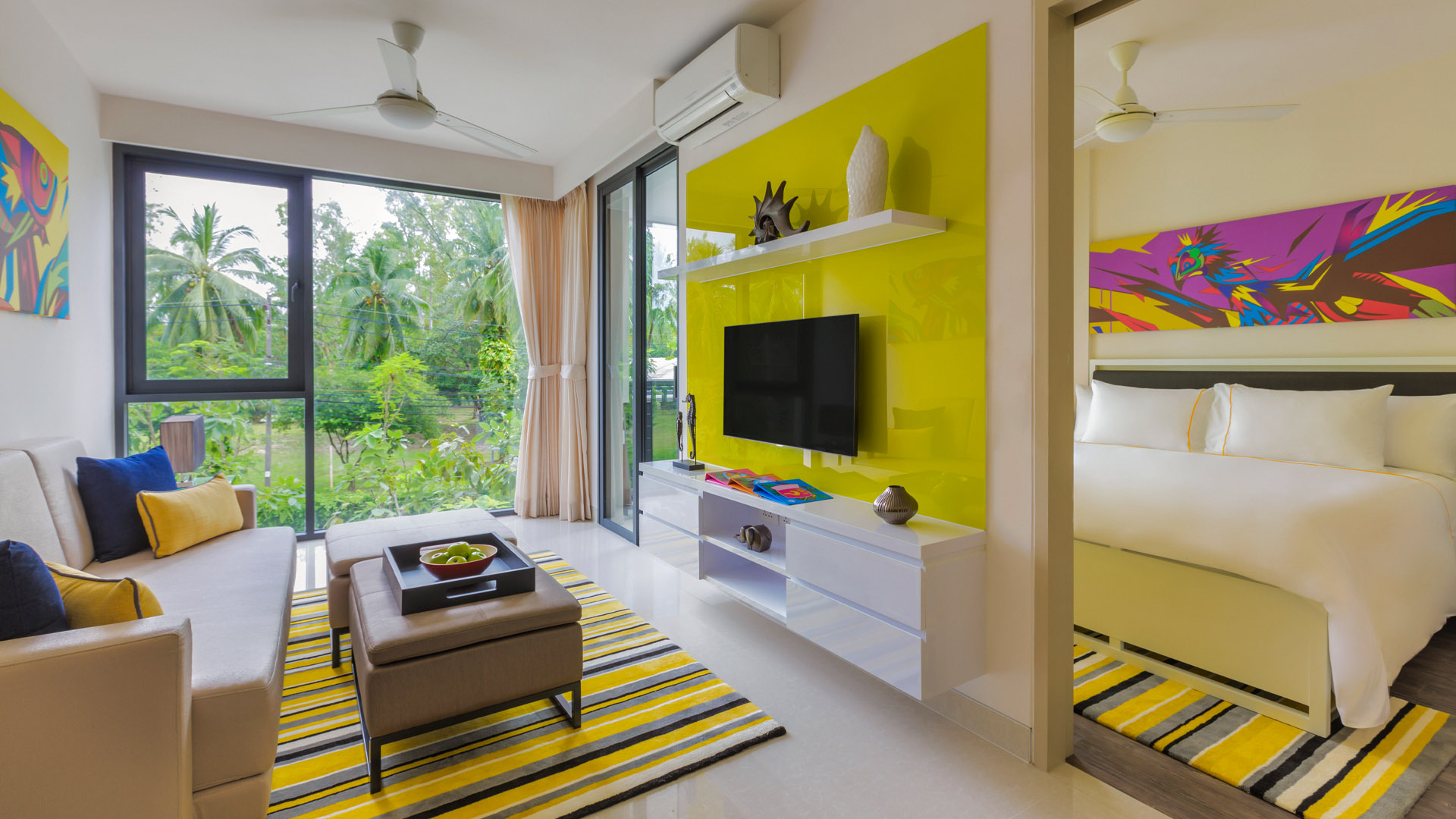
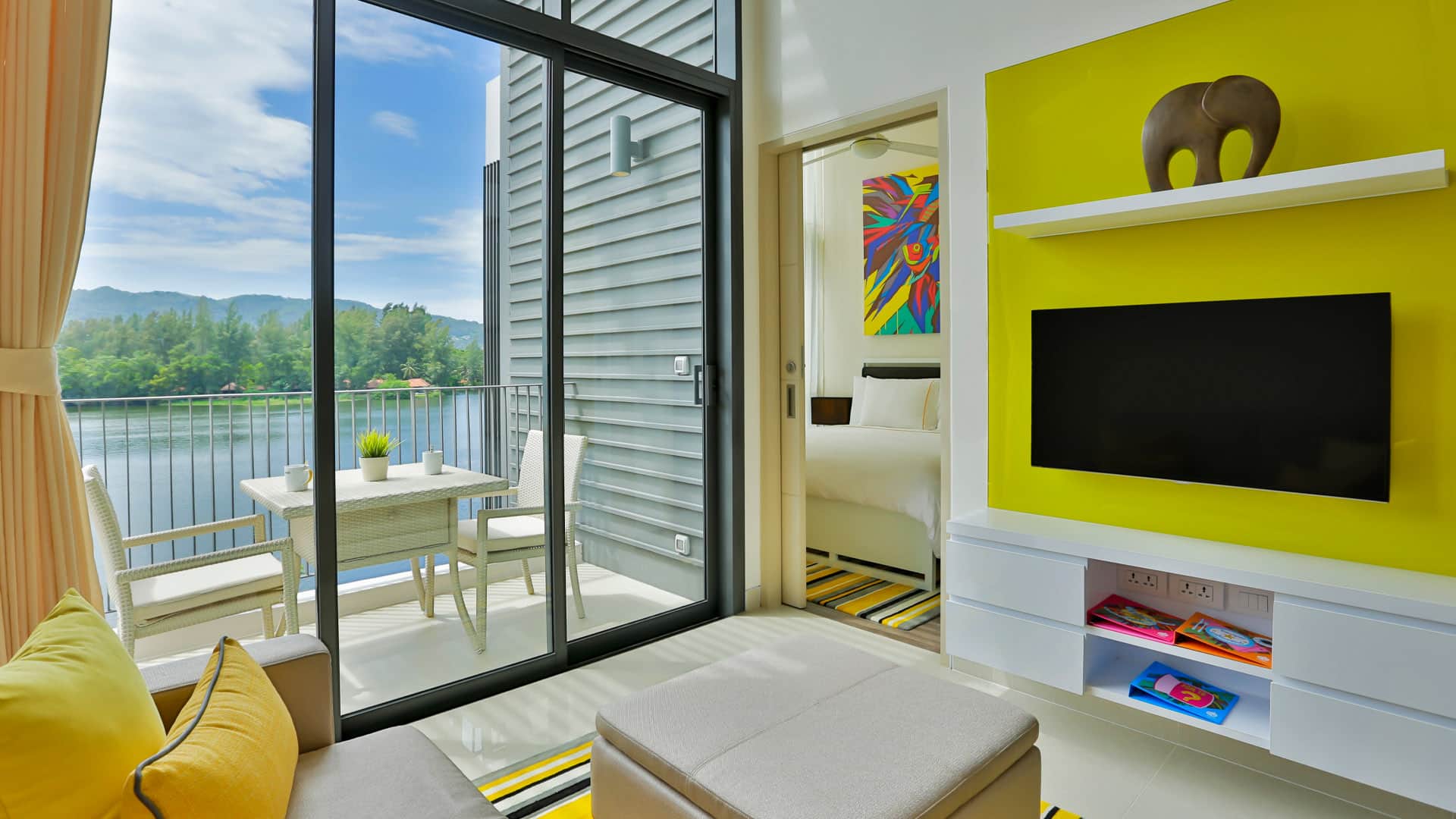
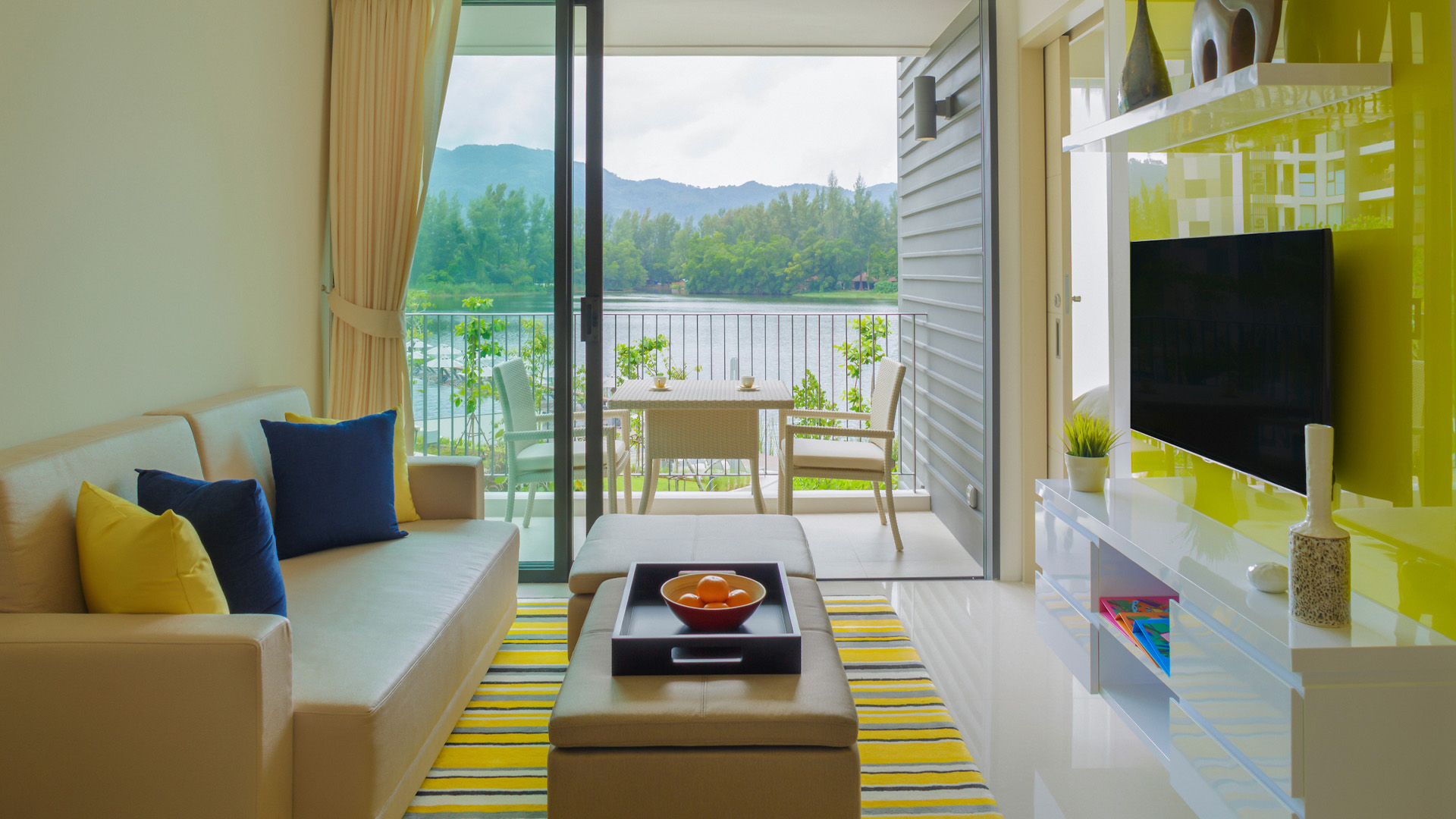
With full kitchens, separate living areas, balconies, complimentary high-speed Wi-Fi, and wellness facilities like Cassia FIT, the experience feels closer to a home away from home than a short holiday stay. The property’s shuttle services, pet-friendly amenities, and flexible layouts also suit solo nomads, couples, and hybrid workers looking into serviced apartments in Phuket or a longer Phuket long stay offer.
FAQ about Digital Nomad life in Phuket
Q: What is the best area in Phuket for remote workers?
Bang Tao and Cherng Talay are often the top choices for their cafés, beach access, and long-stay convenience.
Q: Is Bang Tao good for digital nomads?
Yes. Bang Tao offers a polished lifestyle with coworking-friendly cafés, gyms, and modern accommodation close together.
Q: What visa do digital nomads need for Thailand?
Many remote workers apply for Thailand’s Destination Thailand Visa (DTV) for longer stays.
Q: Is Cassia Phuket suitable for digital nomads?
Yes. Cassia Phuket offers apartment-style stays with kitchens, Wi-Fi, and separate living spaces suited to remote work.